
The MAPLE Framework: A Child-Centred Coaching Model for Martial Arts
Why the MAPLE Framework is the key to child-centred coach
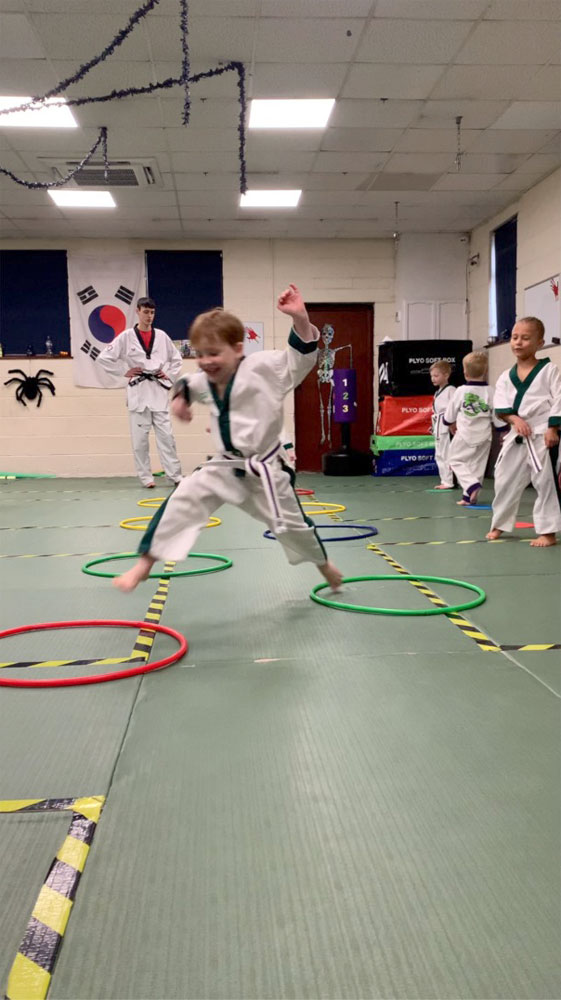
Ben started training with us when he was five years old. I don’t think he would be insulted if i suggested that he wasn’t a standout kid. He was generally quiet and a little unsure of himself. As he got a little older, he moved out of our young children’s programme and into our mainstream Taekwondo programme.
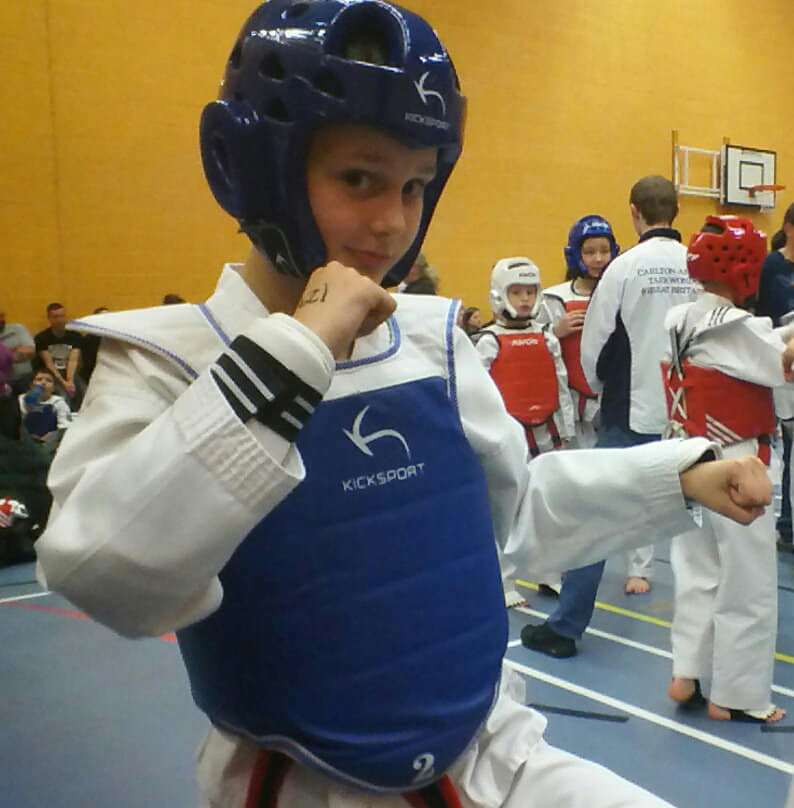
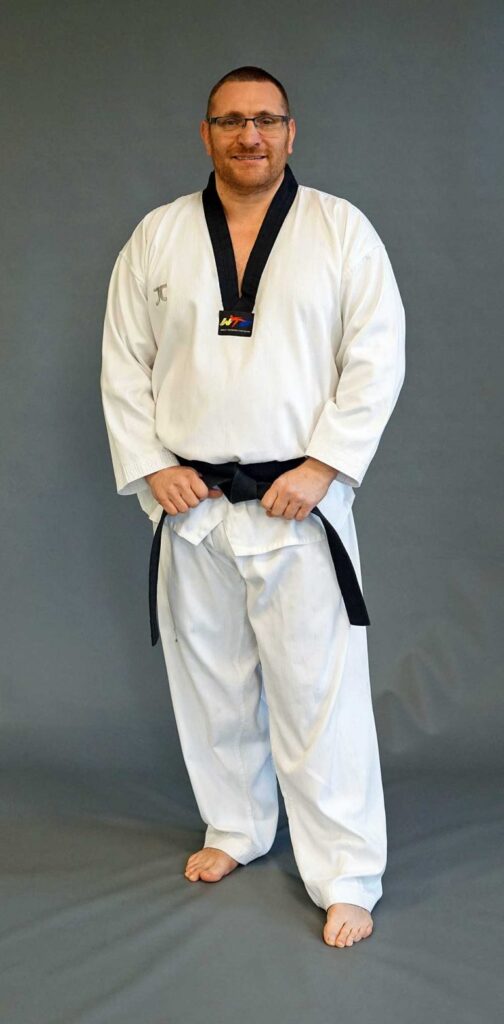
The funny thing is, Ben isn’t the exception. Everyone of our coaches trained with us as children and none of them were the athletic kids that could turn their hand to any sport. They continued to train with us into adulthood because we built the experience around them, we didn’t try shoehorn them in to a rigid martial arts system that had remained unchanged for over 100 years. We took a child-centred rather than a coach or martial arts centred approach.
What child-centred coaching actually means ........and what it doesn't
Why children quit and what actually keeps them coming back
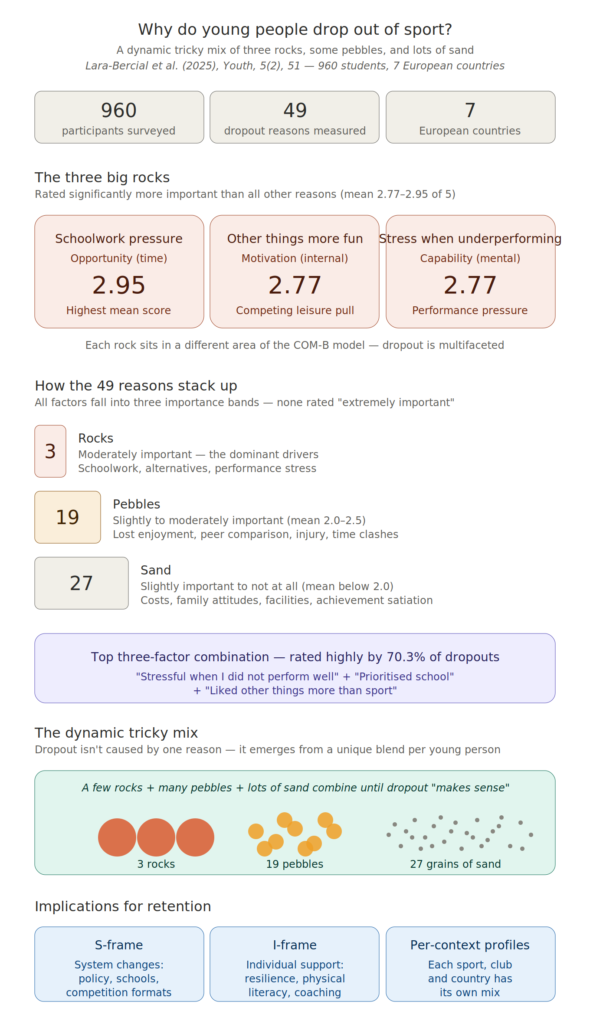
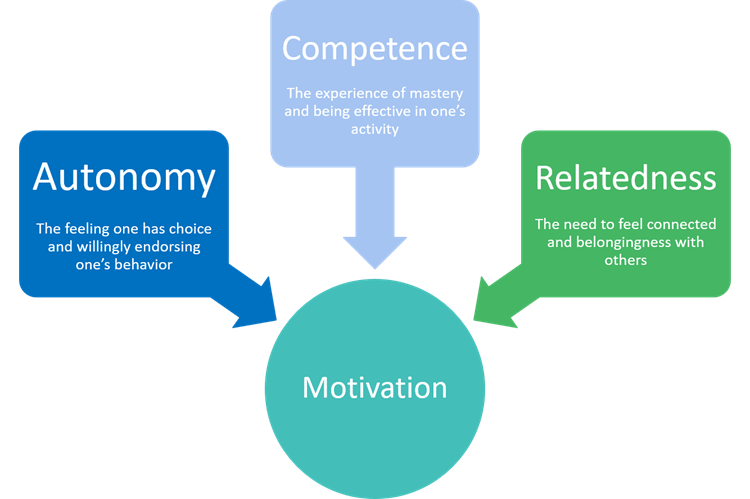
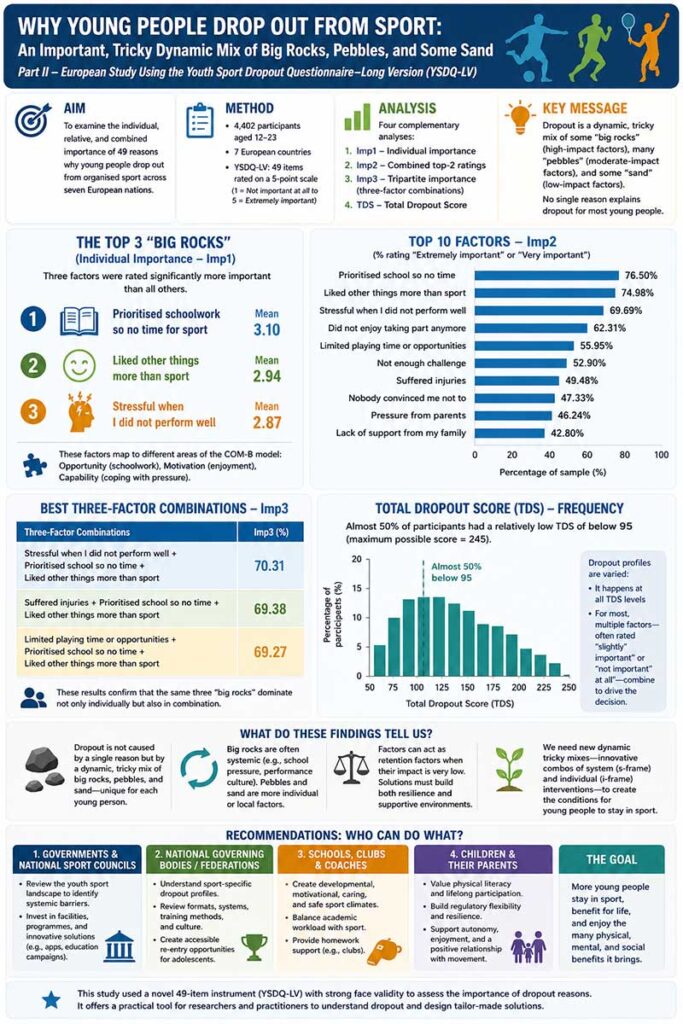
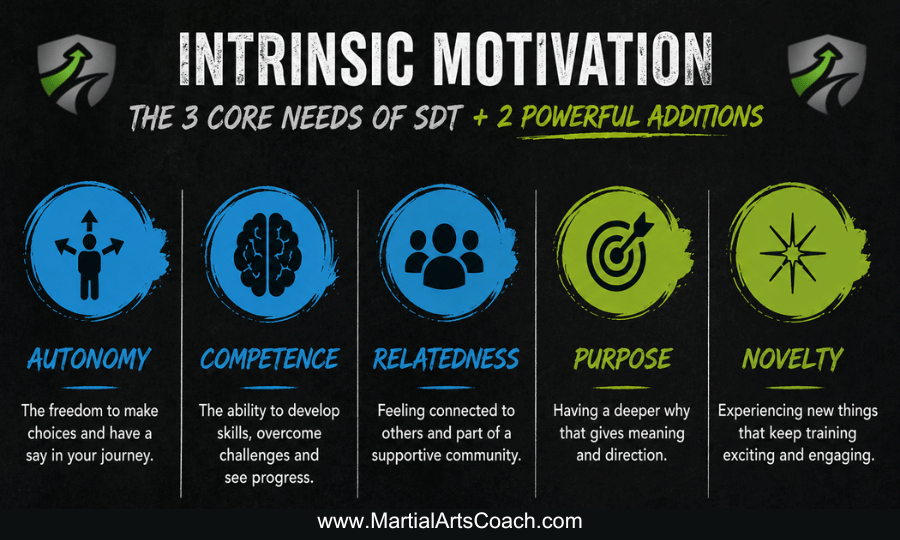
What this means in practice is that retaining adolescents requires a different conversation than retaining younger children. You are not trying to make training more fun. You are trying to make it worth the trade-off against everything else competing for their time and attention. That is about purpose, relevance, identity and belonging at a deeper level. It is about the child feeling that what they are doing in your club matters to who they are becoming. [LINK: future article on retaining adolescents in martial arts]
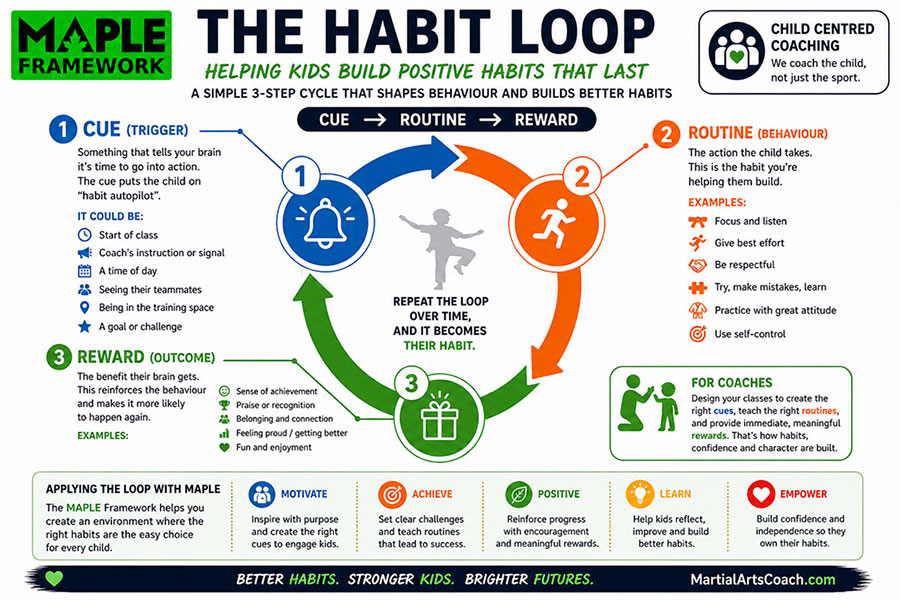
A word on belts, trophies and sticker charts. Extrinsic rewards produce short-term engagement but research consistently shows they undermine intrinsic motivation over time. When the reward becomes the reason a child trains, the training stops the moment the rewards stop feeling meaningful. This is why many clubs see a spike in attendance around grading time followed by a dip shortly after. The belt was the goal, not the training. The related research by Carol Dweck on growth mindset is worth a mention here too. Praising children for their effort and the process of improvement rather than their outcomes or natural ability produces children who are more motivated and more likely to stick with something when it gets hard. [LINK: Growth mindset — existing article]
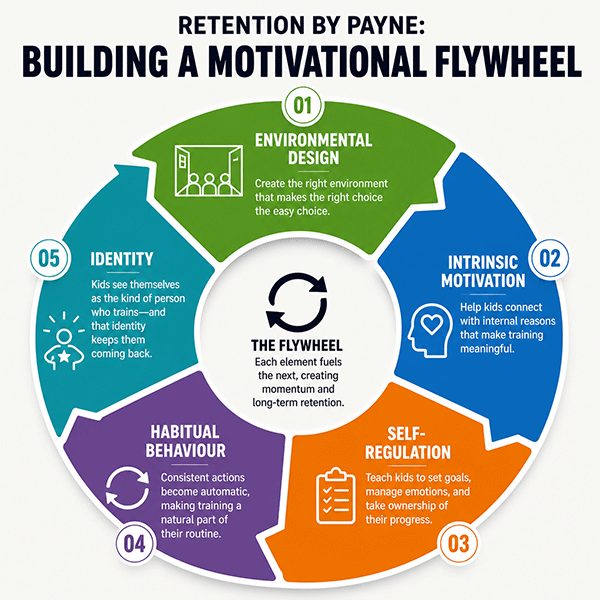
Retention by Payne: How to build a motivational flywheel


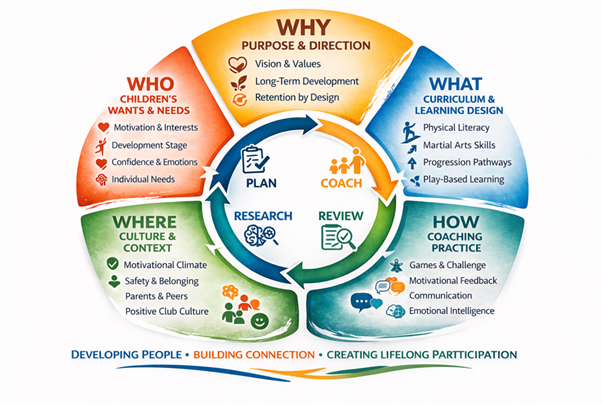
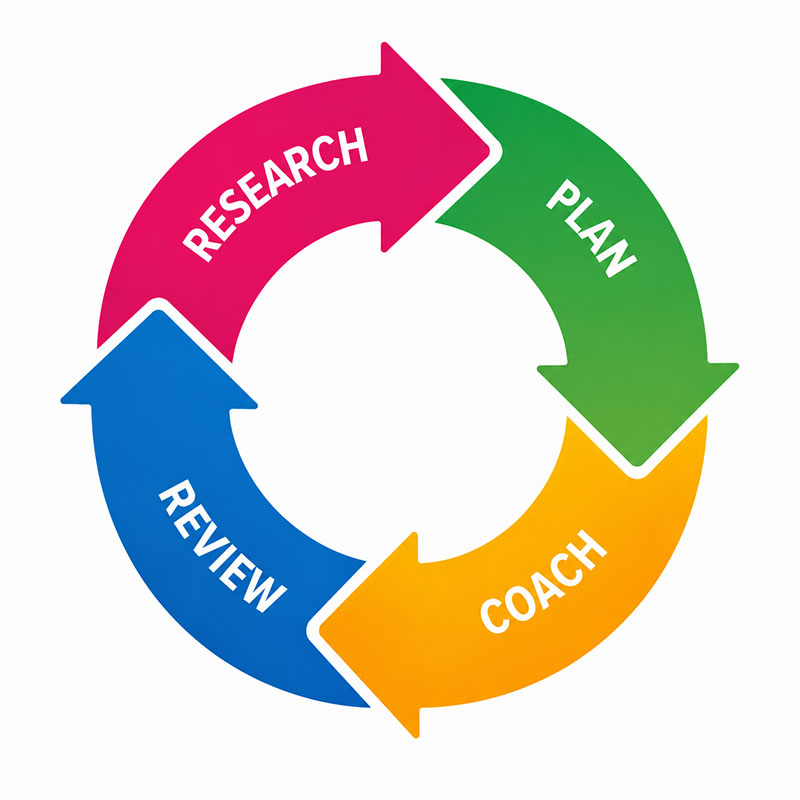
The MAPLE Coaching Model
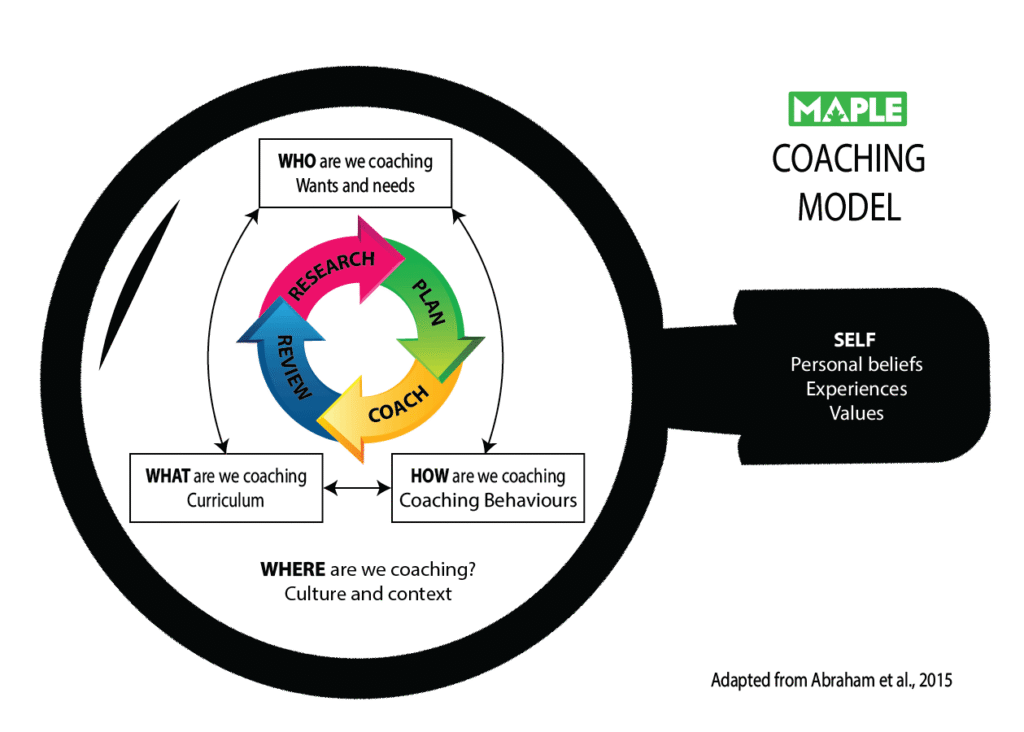
This is the element most coaching frameworks leave out entirely. Personally, I feel that is a mistake. If your coaching philosophy is to produce trophy winners, your classes will look very different to a coach whose philosophy is to build well-rounded young people who love being active. Neither is wrong on its own terms, but the WHY drives everything downstream. Getting clear on yours is one of the most valuable things you can do as a coach, because it turns every other decision in the model from a guess into something rooted in a clear sense of purpose.
Where to go next
- If you want to understand retention in more depth → Retention by Payne is the dedicated breakdown of the five-layer model we covered in Section 3, with more detail on each layer and how they interact. [LINK: Retention by Payne]
- If you want to go deeper on MAPLE and its elements → The MAPLE deep-dive page pulls together every cluster article on WHO, WHAT, HOW, WHERE and WHY in one place. This is the route for coaches who want to work through the model element by element. [LINK: MAPLE deep-dive]
- If you want a structured programme to actually implement this on the mats → The signature course walks you through applying the MAPLE framework in your own club, class by class, with the frameworks and tools that support each element. This is where the thinking becomes practice. [LINK: Signature course]
- If you want free resources to start with this week → The resource library contains downloads, checklists, templates and other practical tools you can use straight away. No commitment, just useful things for coaches. [LINK: Resource library]
- If you want to be part of a community of coaches doing this work → The Retention Network is the membership community for coaches who want to share ideas, get feedback and keep learning alongside other people who take children’s coaching seriously. [LINK: Retention Network]
Come back to this article whenever you want. Pick a direction when you are ready. The work is worth doing.





Responses